
Cornelius City Directory Collection Shelf
Cornelius research starts on the Mecklenburg shelf. The Robinson-Spangler Carolina Room holds city directories, maps, yearbooks, local files, newspapers, and government material for Cornelius and the surrounding municipalities. No complete Cornelius-only printed run was located. Look instead in the greater Charlotte and Mecklenburg volumes, and test a town name, township label, rural route, Catawba Avenue, Main Street, or Smithville in the place and street indexes. The Carolina Room can identify whether a desired year is on a shelf, on microfilm, restricted, or awaiting retrieval.
| Collection | Years | Where held | Access |
|---|---|---|---|
| Beasley & Emerson’s Charlotte Directory | 1875/76 | Carolina Room; availability elsewhere varies | Check call number and format before visiting |
| Walsh’s Charlotte Directory | 1903, 1905/06, 1907 | Carolina Room and historical directory lists | Resident, business, and address snapshot |
| Charlotte directory runs | 1909–1918, 1920; Miller 1931 | Carolina Room; some digitized copies | Compare street and alphabetical sections |
| Hill’s Charlotte Directory | 1932–1935, 1938, 1940; 1933 digitized | Carolina Room, DigitalNC, Internet Archive | Street, alphabetical, and business material |
| Later Charlotte volumes | Physical runs documented to 2005 | Carolina Room and partner repositories | Confirm the exact year before travel |
The publication is an annual snapshot, not a live resident roll. It may lag a move, omit a child or roommate, retain a prior occupant, or print a business address. Use the volume to make a dated lead, then verify a property or court fact with its own custodian.
Cornelius Directory Shelves and Help
The Carolina Room is the main local-history access channel for a Cornelius directory search. Reference is available by email or at 704-416-0150, Monday through Friday from 9 a.m. to 5 p.m. The library prefers limited copies by email and asks researchers with substantial work to use an appointment. Give staff a year, a surname or street, and the type of section needed. That makes it easier to learn whether the relevant directory, yearbook, newspaper reel, map, or vertical file is available.
The Cornelius Branch can provide local library service, but the specialized historical collection is elsewhere in the system. The Carolina Room also offers maps over time, family manuscripts, archival finding aids, and Mecklenburg government documents. Those supporting records are useful when an old directory uses a rural route, a township label, or a road name that no longer matches a present-day search. A reference answer helps locate material; it is not a certified record finding.
The Carolina Room’s archives and special-collections page shows the local-history setting represented in this Cornelius image.
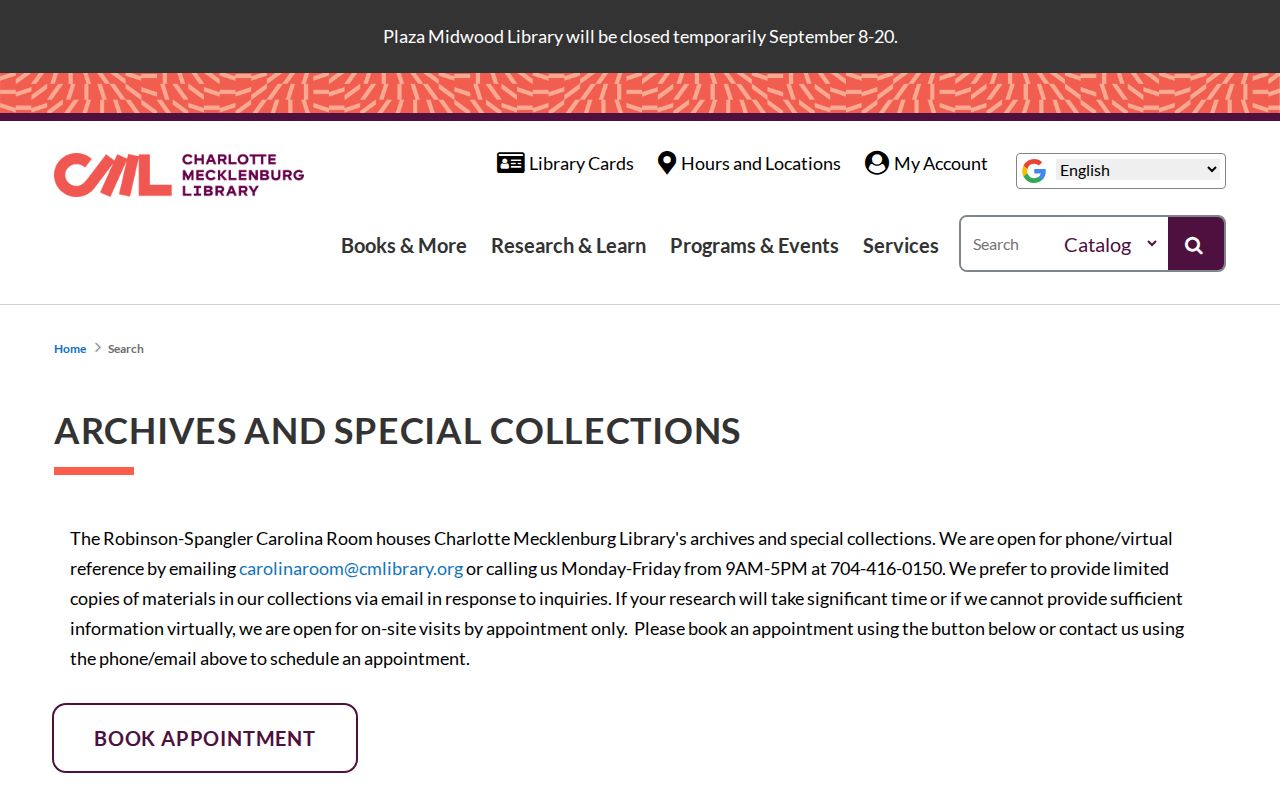
The room’s directory, yearbook, newspaper, and map holdings make it a practical stop when a Cornelius name needs historical context.
Note: Bring the fullest spelling and the approximate year, because initials and changing town labels can determine whether a directory entry is found.
Cornelius City Directory Digital Runs
Some city directories can be viewed before a library visit. DigitalNC’s 1933 Hill’s Charlotte directory record identifies Hill Directory Company as publisher and gives the call number C971.60 C47h v.2(1933), the Internet Archive identifier, and Charlotte and Mecklenburg County coverage. Online Charlotte directories are mostly from before 1964. A scan is valuable for checking headings, spelling, and sections, but the Carolina Room remains the fallback for later physical volumes and for confirming a run.
Library access differs by resource. The Vault is available remotely. The Charlotte Observer archive, which reaches from 1888 to the present, requires a library card for remote use. Ancestry Library Edition and FamilySearch Affiliate materials are available on the library network or public computers. That distinction matters when a Cornelius directory search needs an obituary, census image, marriage index, or estate lead after the volume is read.
Use the Charlotte directory guide to see the reading method behind this Cornelius historical-directory capture.
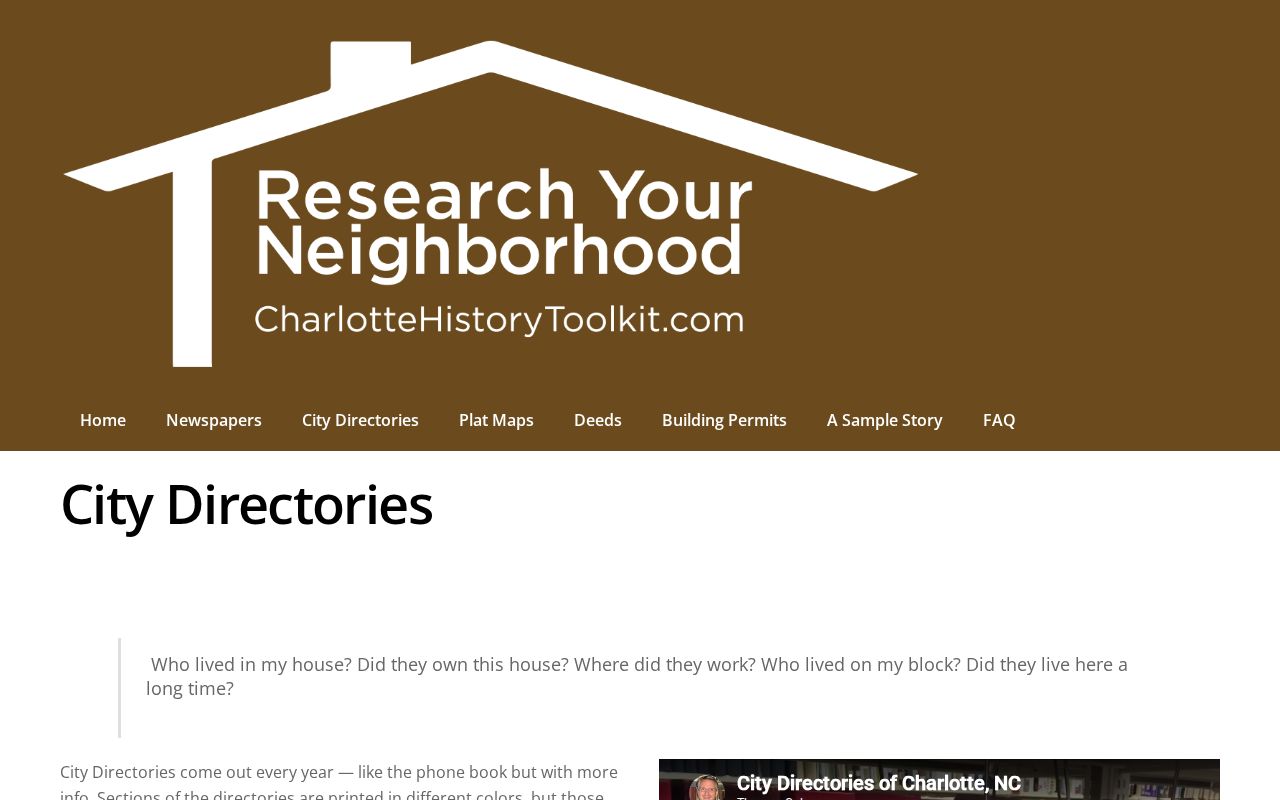
The digitized example reinforces why the printed year, publisher, geographic label, and section type should be recorded with every result.
Reading Cornelius City Directory Entries
A Cornelius directory entry must be read in its section. A street section is arranged by road and then house number. It may give the principal occupant or business, an owner or renter mark, and a telephone symbol. The alphabetical section usually gives surname and first name, spouse or widow wording when supplied, occupation or employer, and an address. Business sections can name owners or officers. A familiar name in one section is only a lead until the other section and a second source agree.
| Street section | Street name, number, and principal occupant or business. |
|---|---|
| Alphabetical section | Name, address, and sometimes spouse, widow notation, occupation, or employer. |
| Owner or telephone symbols | Period symbols can indicate homeowner or telephone status; check the volume’s key. |
| Business material | Separate classified and advertising sections may identify owners or officers. |
| Publication details | Title, year, publisher, geographic coverage, call number, and repository identify the exact source. |
- Criss-cross directory
- An address-order directory section that starts with a street and helps identify the principal listed occupant or business.
- Householder index
- A name-oriented list centered on the household or principal person named in the publication.
- Abbreviation key
- The front-matter guide that explains a particular volume’s shortened words and symbols. Read it before expanding an entry.
One historical convention needs care. The local guide notes that directories before 1952 used a “(c)” designation for African American residents. Preserve that wording when transcribing a historical entry, while recognizing it reflects the publication’s segregated period convention rather than a modern classification.
Cornelius Directory Years and Liverpool
Charlotte directories began in 1875, appeared only occasionally at first, and became annual in 1903. Their dates matter because Cornelius was founded in 1893, was first incorporated as Liverpool, and took the Cornelius name after incorporation in 1905. An early resident or property reference may therefore use Liverpool, a township, a rural route, or a broader Mecklenburg label instead of the modern town name. Record the jurisdiction exactly as printed before adding a modern GIS comparison.
- 1875/76: Beasley & Emerson’s Charlotte Directory provides the first identified volume in the local list.
- 1903: annual Charlotte publication begins after the earlier occasional pattern.
- 1903–1907: Walsh volumes provide named early twentieth-century checkpoints.
- 1931: Miller’s directory appears in the identified Mecklenburg list.
- 1932–1940: Hill volumes include the digitized 1933 item and later named years.
Lake Norman’s creation in 1963 and later subdivision growth also changed the way local locations appear. A lakeside parcel or newer street may have no old directory address even when the underlying land has a much older deed trail. The missing entry can describe coverage, geography, or publication practice, not an absence of local history.
Cornelius Directory Archive Alternatives
When the desired year is not on the shelf or online, use the North Carolina State Archives county records guide for Mecklenburg series and ask the Carolina Room about maps, newspapers, or finding aids. The Mecklenburg Historical Society offers local-history programs and research referral, including referral to the Olde Mecklenburg Genealogical Society. It is a community-history resource, not a current resident roll or a public holdings catalog.
Yearbooks, church history, cemetery resources, and the Charlotte Observer can support a date from a Cornelius directory. Keep each one in its proper role. A yearbook may connect a name to a school. A newspaper notice may clarify a move or death. A cemetery transcription can contain volunteer error. The archive, library, Register of Deeds, or Clerk remains the place to confirm the underlying record when confirmation is needed.
The State Archives county-records guide is the source shown in this Cornelius archive image.
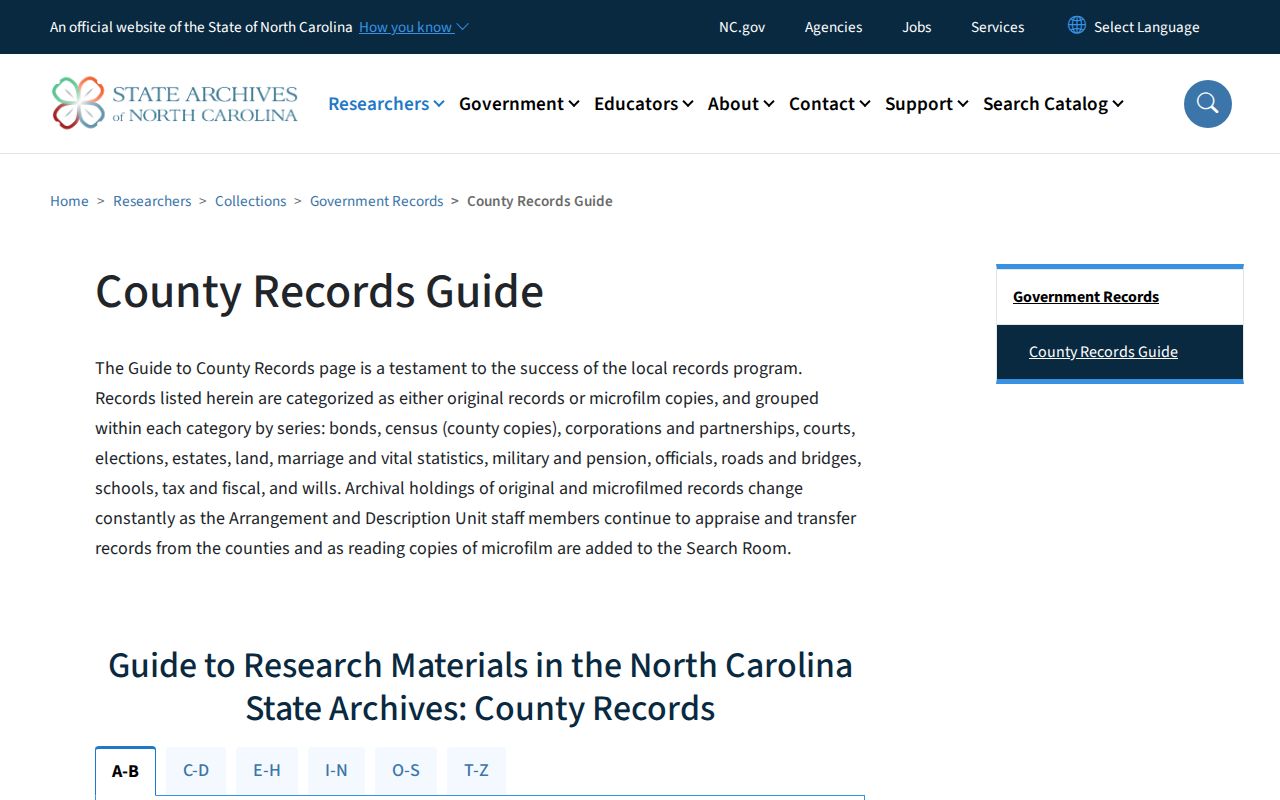
The archives route is most useful when a directory name needs to be paired with a will, estate, county record, or historical map.
Trace Cornelius City Directories by Household
Follow a household through Cornelius city directories one year at a time. Start in the street section if an address is known. Copy the road name, number, principal occupant, symbols, and spelling exactly. Then find the person in the alphabetical section and capture spouse or widow language, occupation, employer, and any alternate address. A first appearance may suggest arrival. A final appearance is a lead, not proof of departure or death.
- Find the address or surname in one dated volume and note its section.
- Read the matching alphabetical or street entry before interpreting any name.
- Check the preceding and following available years for a move, altered initial, or new spouse wording.
- Pair the closest directory year with the relevant federal census, keeping the printed township or rural route.
- Use an obituary, yearbook, cemetery record, deed, or probate file to test a disappearance.
Individual federal census schedules currently reach 1950 under the 72-year release rule. Census and directory records can disagree because they were compiled on different dates and use different household definitions. A directory can list a renter or a business contact, while a deed can name an owner who lived elsewhere. The same separation helps keep a Cornelius directory finding accurate.
Modern address-keyed property work belongs on the Cornelius street directory page, where the county parcel and deed tools are considered in detail.
Cornelius Directory Landmark Context
Historic places can help test a directory address without turning a location into a person claim. The county’s Cornelius Historic Landmarks list includes homes, schools, shops, and churches such as the Fidler House, the Cornelius High School Agriculture Building, Mt. Zion Parsonage, and the Smithville Rosenwald School. Designation files may identify prior owners, builders, architects, or building chronology. Compare those details with the directory’s year and street spelling.
Mecklenburg Historical Society’s local-history page appears in this Cornelius historical-society image.
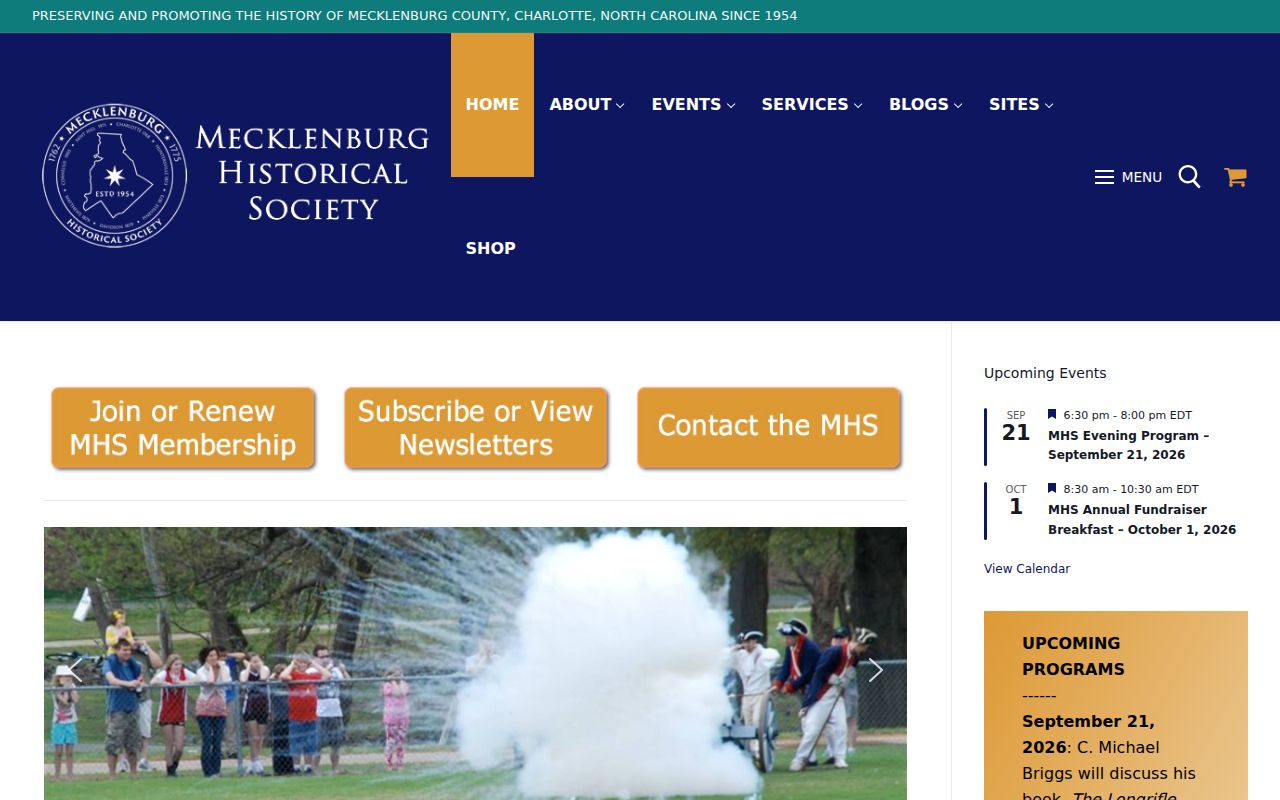
A historical-society referral can help identify a collection, but a dated directory volume and the record custodian remain the evidence to preserve.
Note: Do not treat a historical listing as proof of a present address, because directory publication dates and local boundaries change over time.